What Is a Cabin Air Filter and What Does It Do?


Most drivers change their oil filter without thinking twice. Far fewer realize their car has a second filter dedicated entirely to the air they breathe inside the cabin.
That filter is called a cabin air filter, and it works every time you turn on your climate control — whether that is heat, AC,or just the fan blowing air through the vents.


I dug into manufacturer specs, HVAC engineering data, and owner forum discussions to put together the clearest possible explanation of what this filter is, what it actually does, and why it matters more than most people think.
What Is a Cabin Air Filter?
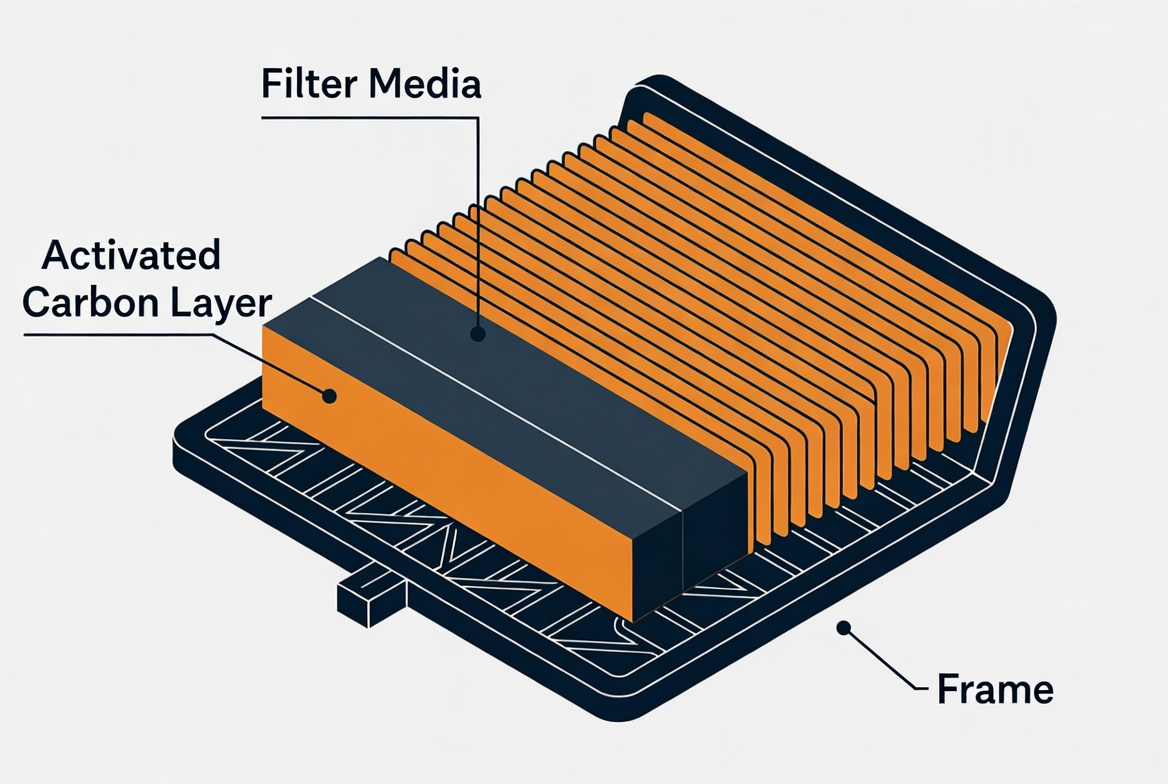
A cabin air filter is a rectangular, pleated filter installed in the air pathway that feeds your car's HVAC system. Before outside air enters the passenger compartment through your vents, it passes through this filter.


The filter's job is simple: trap airborne particles so they don't end up in your lungs.
It is a standard feature on most vehicles built after 2000. Cabin air filters first appeared in North American vehicles in 1994. Some vehicles from the late 1990s have one; many do not. Older vehicles generally do not.
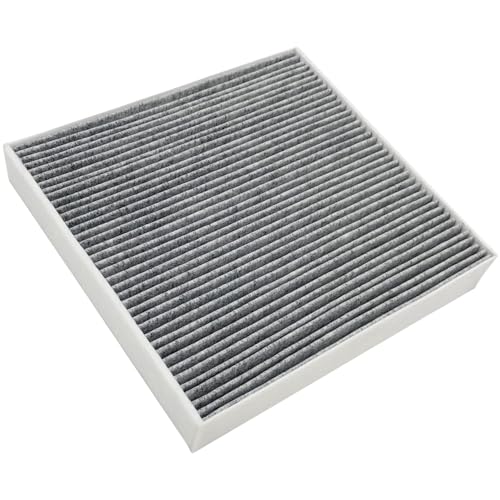

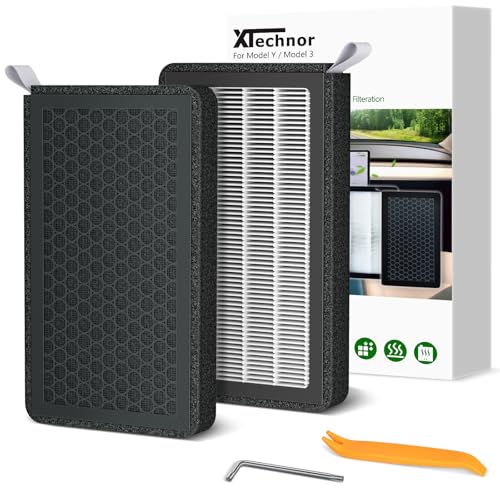
The filter is made from pleated filtration media, typically paper, cotton, or synthetic fiber, folded accordion-style to maximize surface area in a compact space. Some premium versions add an activated carbon layer for odor and chemical absorption.
What Does a Cabin Air Filter Do?
The cabin air filter does two things: it filters airborne particles and, in some versions, it neutralizes odors and gases.


Filtering Particles
Every time air is pulled through your HVAC system, it passes through the cabin filter. The filter's media captures particles suspended in that air.
The particle types a cabin air filter targets include:
- Pollen: Tree, grass, and weed pollen that causes hay fever and allergic reactions
- Dust and dirt: Road dust, construction dust, and fine particulate matter
- Mold spores: Biological particles that can trigger respiratory symptoms
- Bacteria: Microorganisms carried in outside air
- Soot: Combustion particles from diesel exhaust and other traffic emissions
- Fine particulate matter (PM2.5): Tiny particles 2.5 microns and smaller from vehicle exhaust and industrial pollution
Standard cabin air filters achieve over 99% efficiency at 3 microns. Premium multi-layer cabin filters can capture particles as small as 0.3 microns, though at lower efficiency rates than certified HEPA filters, which require 99.97% capture at that size.


Filtering Odors and Gases (Activated Carbon Filters Only)
Standard particle filters do not remove odors or gaseous chemicals. They only capture solid particles.
Activated carbon cabin air filters add a layer of carbon granules that adsorb (bind to their surface) gas-phase pollutants. These include traffic exhaust fumes, volatile organic compounds (VOCs), nitrogen dioxide, and unpleasant odors from outside traffic.
If you drive in heavy traffic or through industrial areas, an activated carbon filter does significantly more than a standard particle filter.
Where Is the Cabin Air Filter Located?
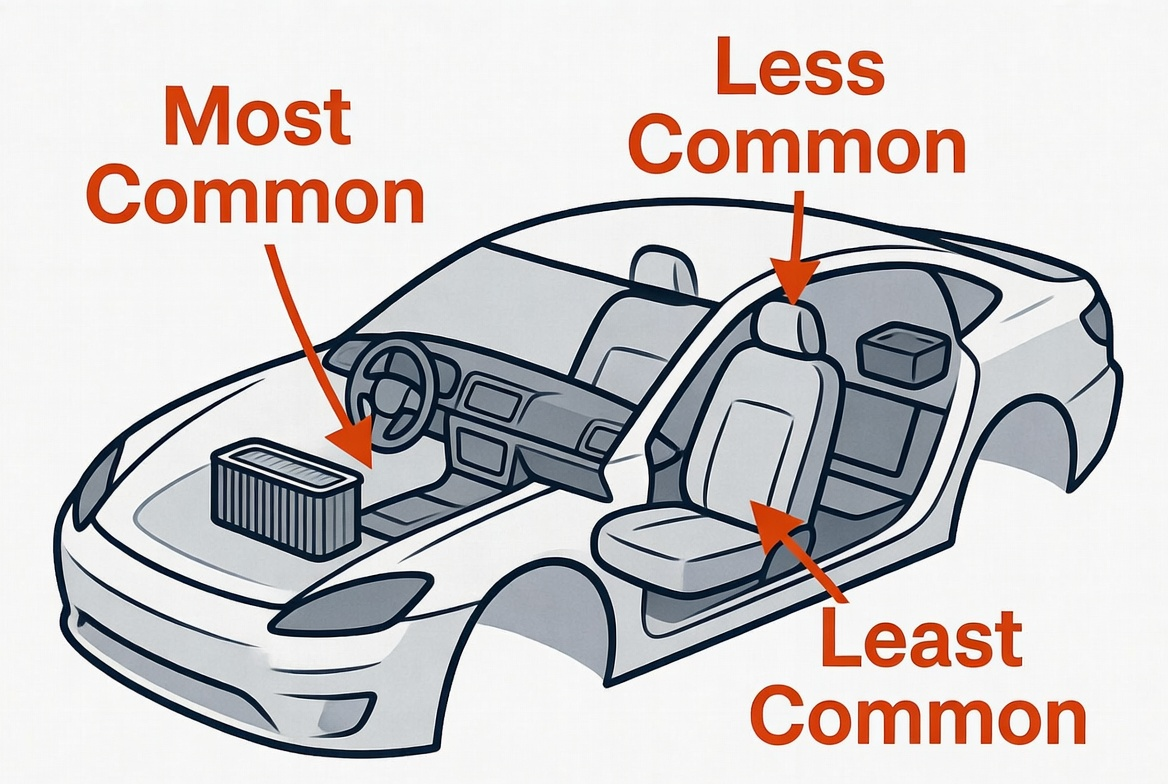
The cabin air filter is almost always located in one of three places, depending on your vehicle:
- Behind the glove box: The most common location. You open or remove the glove box to access a filter housing behind it.
- Under the dashboard: On the passenger side, behind a panel near the floor.
- Under the hood, at the base of the windshield: Near the cowl area where outside air enters the HVAC intake.
The behind-the-glove-box location is the most common and the easiest to reach. Many drivers replace this filter themselves in under 10 minutes.
Your owner's manual will show the exact location for your specific vehicle. Most OEM manuals index the cabin air filter separately from the engine air filter.
How Does a Cabin Air Filter Work?
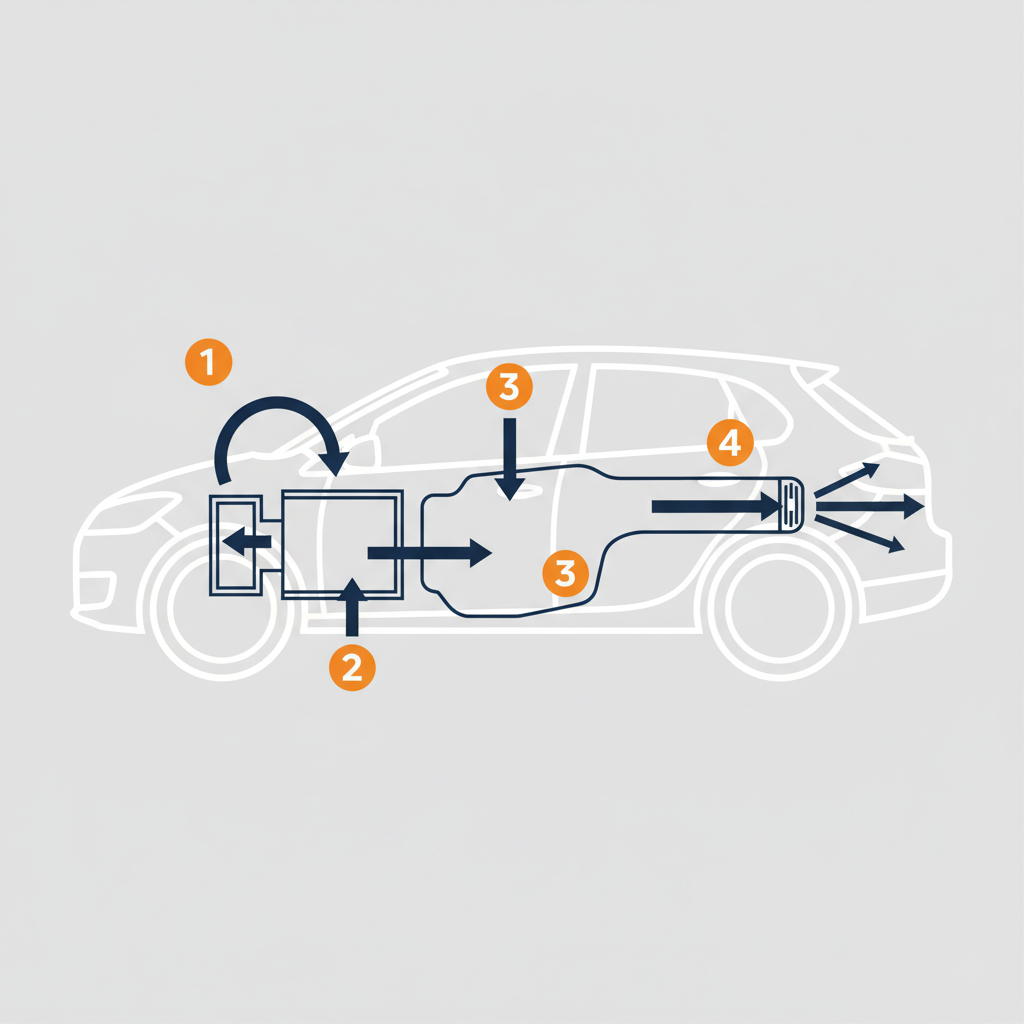
Here is the path outside air takes through your car's HVAC system:
- The HVAC blower fan pulls outside air in through the intake vent (usually at the base of the windshield on the exterior)
- That air flows through the cabin air filter housing
- The filter media captures particles as air passes through
- Filtered air enters the HVAC box, where it is heated or cooled depending on your settings
- Conditioned, filtered air exits through your dashboard vents into the passenger compartment
Every breath you take inside the car with the climate control running has passed through this filter first.
One important detail: this process only works when outside air is being drawn in. Most vehicles also have a recirculation mode that bypasses outside air and simply cycles interior cabin air. In recirculation mode, air does not pass through the cabin filter.
What Is the Cabin Air Filter Made Of?
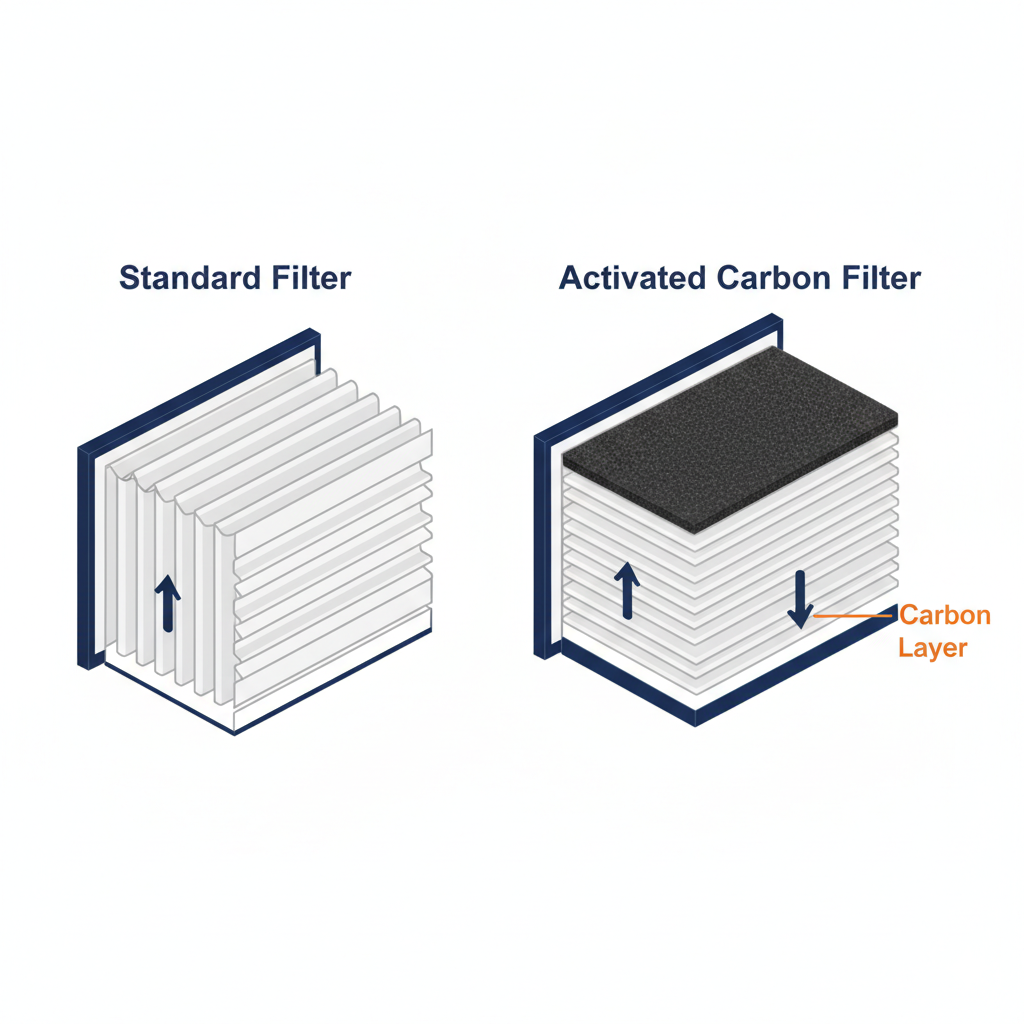
Most cabin air filters use one of three media types:
See the full breakdown in HEPA vs Regular Cabin Air Filter if you are deciding which type to buy.
The pleated design is used across all types. Pleating increases the surface area of the media, which means the filter can hold more contaminants before airflow becomes restricted.
Does Every Car Have a Cabin Air Filter?
Most cars built after 2000 have a cabin air filter. Vehicles built before 1995 generally do not, as cabin air filters only began appearing in North American vehicles in 1994.
The 1995 to 2000 range is a mixed era. Some vehicles from that period have one; many do not. Your owner's manual is the definitive source for your specific car. If you cannot locate the manual, your local parts store can look up your year/make/model and tell you whether a cabin filter is listed for your vehicle.
Some budget-trim vehicles from the 2000s were designed with a filter housing but no filter installed from the factory. In those cases, you can often install an aftermarket filter in the existing housing.
What Happens If You Don't Replace the Cabin Air Filter?
A neglected cabin air filter becomes increasingly restricted as it fills with particles. Over time, this causes a cascade of problems:
Reduced airflow through the vents. A clogged filter is the most common reason why a car's heat or AC blows weakly even at high fan settings. Airflow is physically blocked by accumulated debris.
Strain on the HVAC blower motor. The blower fan has to work harder to pull air through a blocked filter. Extended operation under that load can shorten the blower motor's life.
Increased allergens inside the cabin. A saturated filter can no longer capture particles effectively. Pollen and dust begin passing through, sometimes at higher concentrations than with no filter at all because the filter itself can shed captured particles back into the airflow.
Mold and bacteria growth inside the HVAC system. Moisture accumulates inside the HVAC box. A dirty filter adds organic material, which creates conditions for mold and bacterial growth. This is a common cause of musty HVAC odors.
Degraded AC performance. Restricted airflow reduces the efficiency of both heating and cooling. The AC system works harder for less output.
A clogged cabin air filter is one of the most overlooked causes of weak AC in cars that are otherwise mechanically sound.
How Is a Cabin Air Filter Different from an Engine Air Filter?
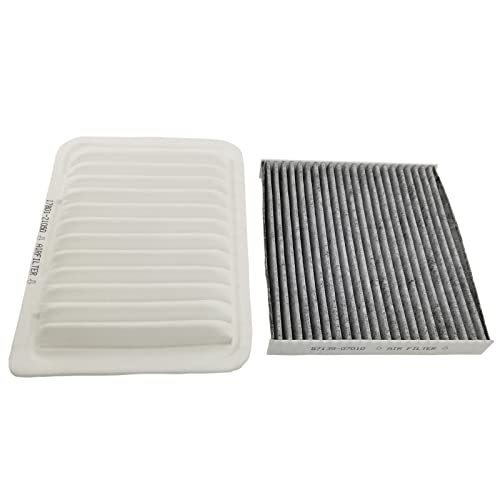
These are two completely separate filters with completely different jobs.
The cabin air filter cleans air for the people inside the car. It protects passengers.
The engine air filter cleans air that enters the engine's combustion chambers. It protects the engine.
They are located in different parts of the car, replaced on different schedules, and sized differently. Replacing one has no effect on the other.
Most owners' manuals list them separately with separate replacement intervals.
FAQ: Cabin Air Filter Basics
What does a cabin air filter look like?
A cabin air filter is a rectangular, pleated panel, similar in appearance to a furnace filter for a home HVAC system. It is typically 8 to 12 inches wide and 3 to 5 inches tall. The pleating is visible on the face, and the media color ranges from white to gray depending on the material.
Do I need to replace my cabin air filter if I rarely use the AC?
Yes. The cabin air filter works any time the HVAC fan is running, including heating and ventilation modes, not just AC. Even if you rarely use the air conditioning, the filter is still accumulating pollen, dust, and other particles through normal fan use.
Can a dirty cabin air filter make me sick?
A severely clogged or moldy cabin air filter can degrade the air quality inside your car significantly. Mold spores and bacteria that grow in a neglected HVAC system can trigger respiratory symptoms, headaches, and allergy flare-ups. This is more likely in humid climates where moisture accumulates more easily.
Does a cabin air filter affect fuel economy?
Not directly. A cabin air filter does not interact with the engine's combustion system. However, if a severely clogged filter strains the blower motor enough to increase electrical load, there could be a negligible indirect effect. In practice, this is not a meaningful fuel economy factor.
How much does it cost to replace a cabin air filter?
The filter itself typically costs between $15 and $50 depending on the vehicle and filter type. If you replace it yourself, that is the total cost. A shop will typically add $20 to $50 in labor, though the job often takes under 15 minutes.
The Bottom Line
The cabin air filter is one of the most overlooked maintenance items in most vehicles, yet it directly affects the air you breathe every time you drive. It filters pollen, dust, mold spores, bacteria, and fine particles before that air reaches your vents.
A clean cabin filter means clean air, proper airflow, and a climate system that works at full efficiency. A clogged one means restricted vents, potential HVAC damage, and air quality that gets progressively worse the longer you ignore it.
Checking the filter takes about two minutes. Replacing it, in most vehicles, takes less than ten.