
Oil Filter Housing: What It Is, Common Problems and Symptoms

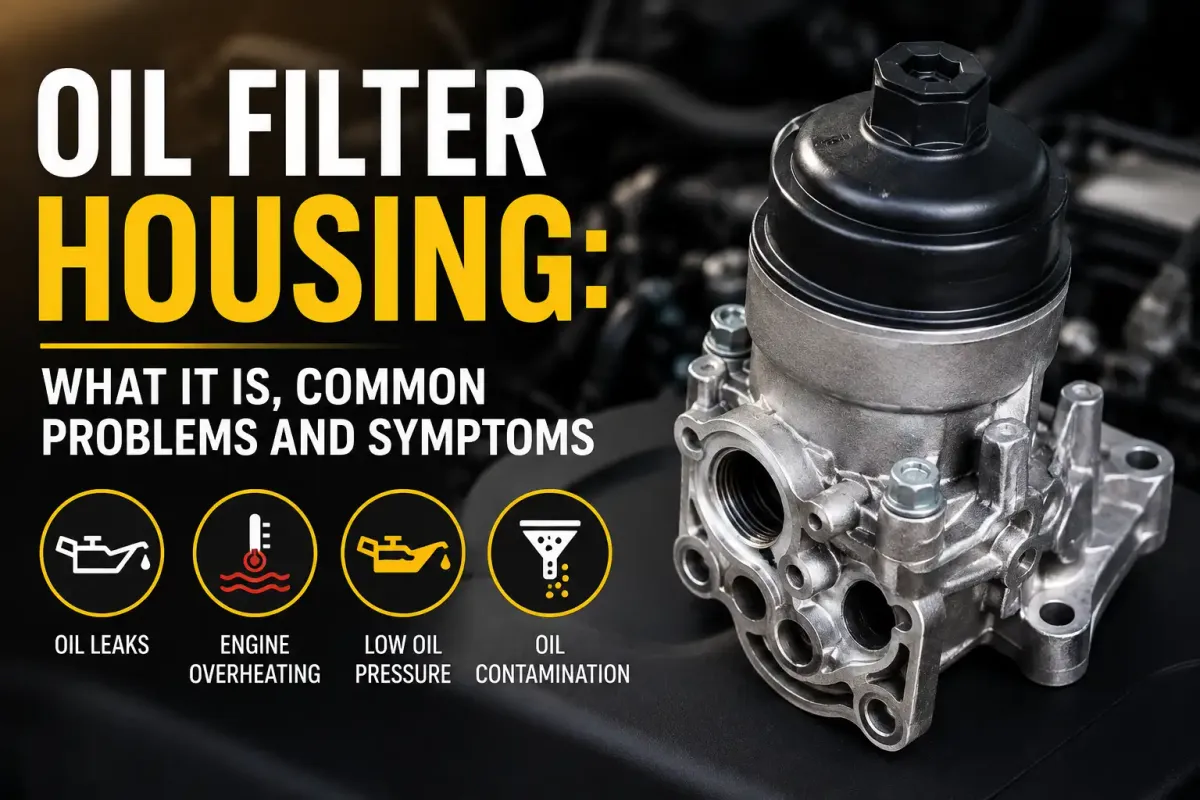
The oil filter housing is the component that holds your oil filter in place and connects it to the engine's lubrication circuit. On modern vehicles with cartridge-style filters, it is a hard plastic or aluminum cup that threads onto the engine block. When this housing develops a leak or cracks, you lose oil pressure fast. Catching the symptoms early is the difference between a cheap gasket swap and a full engine rebuild.
What Is an Oil Filter Housing?
The oil filter housing is the container that houses your oil filter element and routes engine oil through it. On older vehicles, the spin-on filter was its own sealed unit. The filter body itself acted as the housing. You unscrewed the whole thing and threw it away.


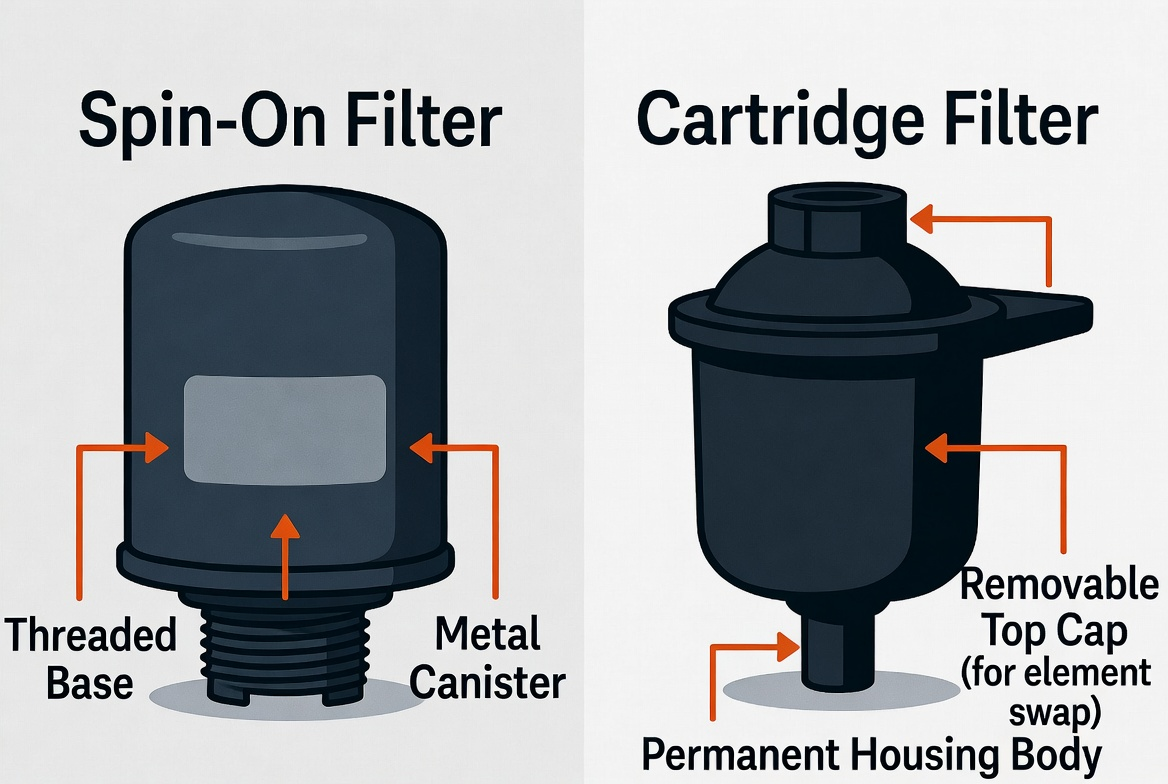
On most modern vehicles, the design changed. The housing is now a permanent part of the engine. It is usually made from black plastic or die-cast aluminum, and it threads onto the engine block or sits in a fixed bracket. You remove only the cap on top to swap out the internal filter cartridge.
This switch to separate housings was done for a few reasons. It reduces waste because only the paper element is discarded. It also allows engineers to position the filter more precisely for oil flow efficiency.


How the housing connects to the engine's oil circuit
Oil from the oil pump flows into the housing through an inlet port. It passes through the filter media, which removes contaminants. The cleaned oil exits through a central outlet and returns to the engine. Most housings also contain an anti-drainback valve to keep oil from bleeding back into the pan when the engine is off.
What Are the Most Common Oil Filter Housing Problems?
There are three failure modes that account for the vast majority of oil filter housing issues: gasket leaks, cracks in the housing body, and cross-threaded or stripped caps.


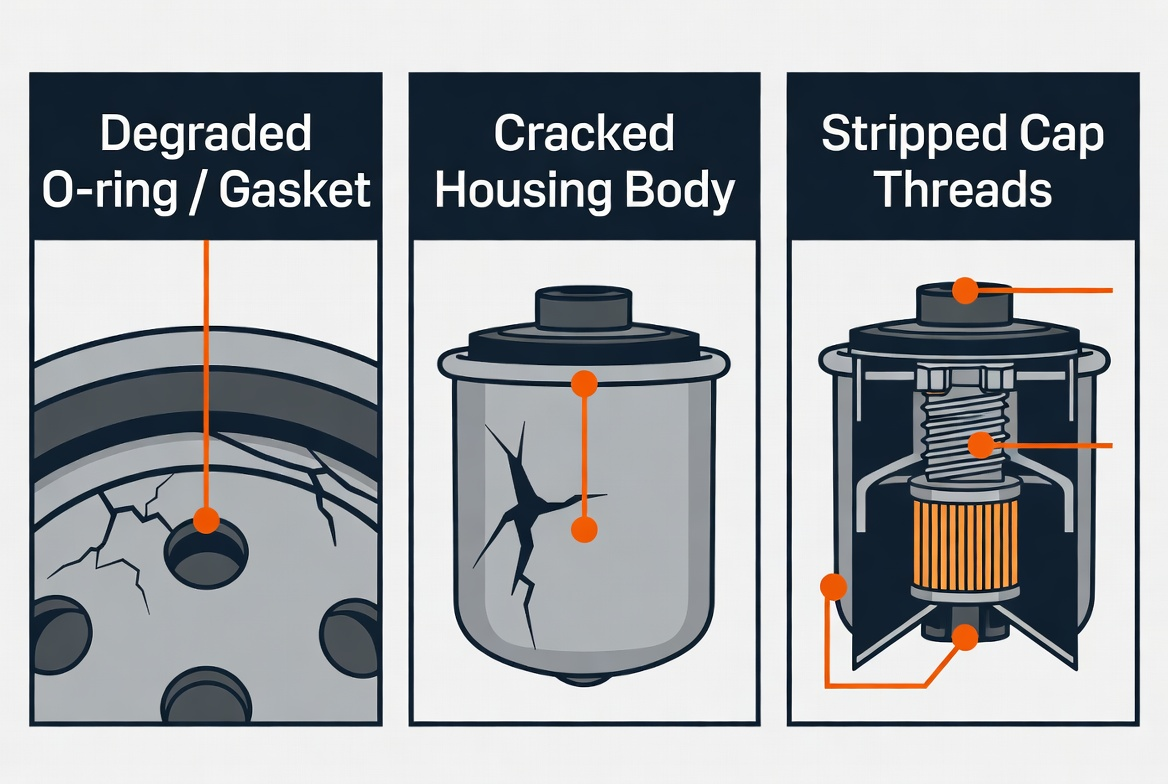
Oil filter housing gasket leak
This is the most common problem. The housing uses a rubber O-ring or a flat gasket to seal against the engine block. Over time, the rubber hardens, compresses permanently, or tears during filter changes. When the seal fails, oil seeps out around the base of the housing.
Plastic housings are especially prone to this. Plastic expands and contracts with heat cycles. Over years of thermal cycling, the material fatigues and the sealing surface degrades. O-rings that were installed dry during the last filter change also fail faster.


Cracked housing body
Plastic filter housings can crack from overtightening the cap, from a sharp impact, or simply from material fatigue after years of heat exposure. A cracked housing typically produces a sudden, visible leak rather than a slow seep. It usually means full housing replacement, not just a gasket swap.
Aluminum housings crack less often, but they can be damaged by overtightening or by a wrench slipping during a filter change.


Stripped or cross-threaded cap
The top cap that you remove to access the cartridge filter uses a thread connection. If someone has overtightened it or it has been cross-threaded, the threads strip out. The cap no longer seals properly. Oil leaks from the cap area, not the base of the housing.
What Are the Symptoms of an Oil Filter Housing Gasket Leak?
Catching a gasket leak before it becomes a low-oil emergency is straightforward if you know what to look for.
Oil spots under the car
The most visible sign is a small oil puddle or staining on the ground where you park. If the spot appears directly below the filter area on the engine, the housing gasket is a likely culprit. Fresh oil is amber or brown. Old oil is nearly black.
Oil smell burning on the engine
When oil seeps from the housing onto a hot exhaust manifold or engine block, it produces a distinct burning oil smell. You will usually notice it shortly after parking, when residual heat is still high. If you smell burning oil but see no obvious drips, check the filter housing area first.
Visible oil residue around the housing
Pop the hood and look at the filter housing itself. A failing gasket often leaves a wet, greasy ring around the base of the housing or along the seam where the cap meets the housing body. There may be oil streaks running down the engine block below the housing.
Oil pressure warning light
A severe enough leak will drop oil pressure. The oil pressure warning light on your dashboard will trigger. If this light comes on while driving, stop the vehicle immediately. Continuing to drive with low oil pressure causes rapid engine damage.
Low oil level on the dipstick
If you are consistently topping off your oil between changes, a slow housing leak could be the cause. A leak does not have to be dramatic to cost you significant oil over time.
What Causes an Oil Filter Housing to Fail?
Most failures trace back to one of these causes.
Heat cycling. The repeated heating and cooling of the engine causes plastic to expand and contract. Plastic housings eventually become brittle and develop micro-cracks or permanently deformed sealing surfaces.
Overtightening. The oil filter cap has a torque specification. A common spec across many vehicles is 25 Nm (18 ft-lb), but always check your specific vehicle's service data. Overtightening crushes the O-ring or gasket, causing it to deform and eventually fail to seal. It can also crack a plastic housing body.
Dry O-ring installation. If the O-ring is installed without a light coat of fresh oil, it can tear or pinch as the cap is tightened. This is a common mistake during DIY filter changes.
Neglected oil changes. Contaminated, degraded oil becomes more acidic over time. Long intervals between changes accelerate O-ring and gasket degradation.
Age and mileage. On high-mileage vehicles, plastic housings simply wear out. This is normal, especially past 100,000 miles.
Can You Drive with a Leaking Oil Filter Housing?
It depends on how severe the leak is.
A minor seep that leaves a small spot overnight and does not affect your oil level significantly is manageable in the very short term. But it is not something to ignore. Small leaks grow. A seep can become a stream quickly under driving conditions that raise oil pressure and temperature.
If the oil level is dropping measurably between checks, or if you see a steady drip, do not drive the vehicle until it is repaired. The moment the oil pressure light comes on, pull over immediately. Running an engine low on oil causes damage that costs far more than a housing gasket repair.
The rule I follow: if the housing is leaking, fix it at the next available opportunity. Do not let it go more than a few days.
How Do You Replace an Oil Filter Housing Gasket?
In many cases, you do not need to replace the entire housing. Replacing just the O-ring or gasket is enough.
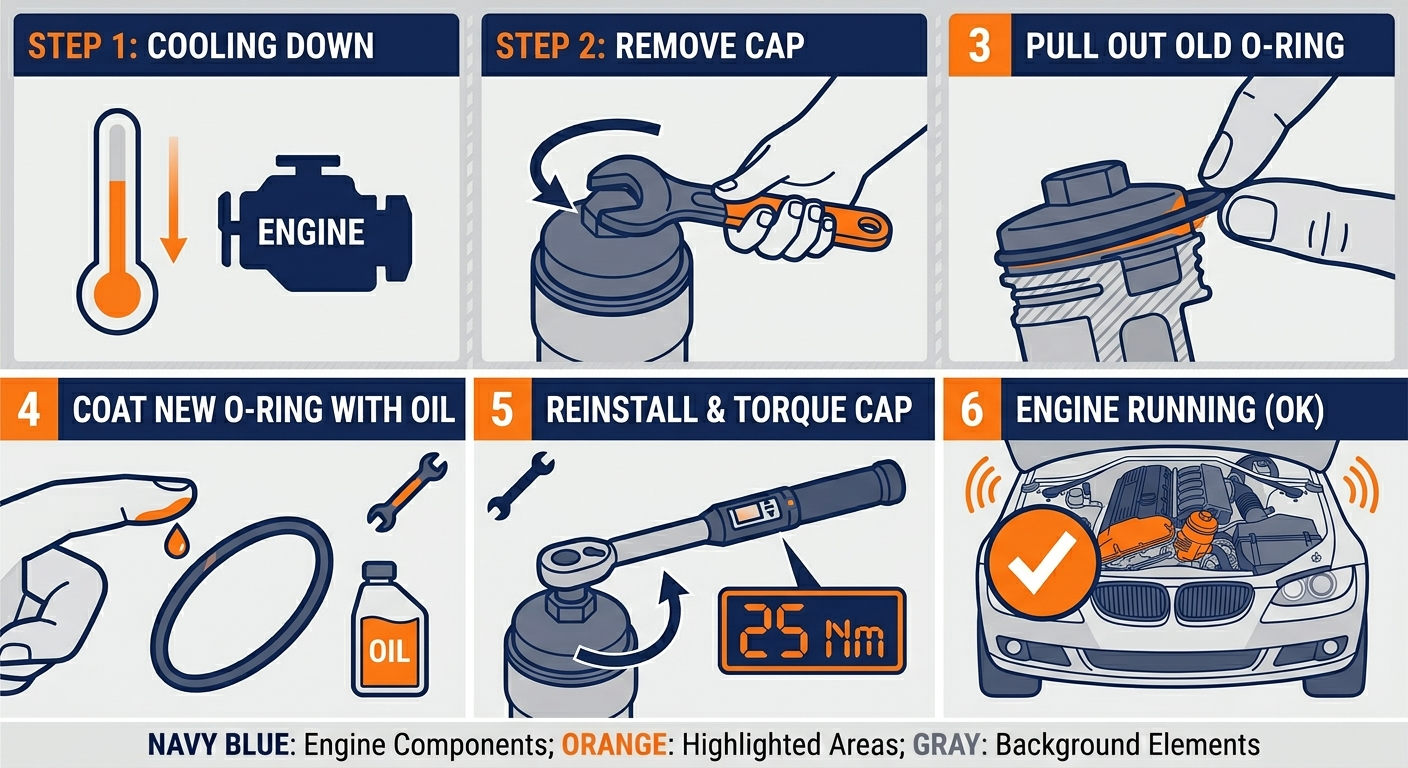
What you need:
- The correct replacement O-ring or gasket for your vehicle (check the housing part number)
- A torque wrench
- Fresh oil to lubricate the new O-ring
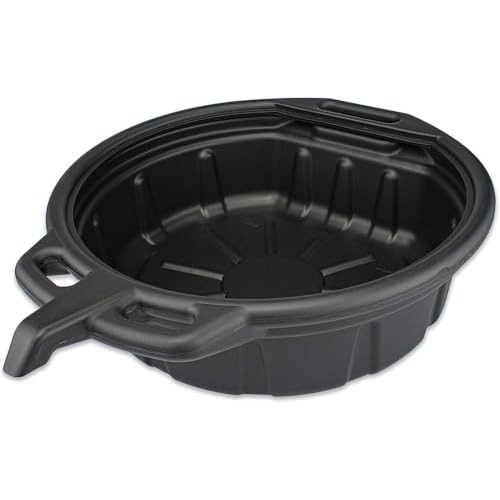
- A drain pan
- A filter cap wrench if needed
The process:
- Let the engine cool completely. Hot oil and hot housing parts cause burns.
- Drain enough oil to prevent spillage when the housing is opened, or have rags ready.
- Remove the filter cap using the correct socket or filter cap wrench.
- Remove the old filter cartridge.
- Locate the O-ring at the base of the cap or around the housing. Remove it fully.
- Inspect the sealing surface on both the cap and the housing body for cracks or deformation.
- Install the new O-ring, coating it lightly with clean engine oil first.
- Reinstall the filter cartridge.
- Thread the cap on by hand until snug, then torque it to the manufacturer's specification. Do not overtighten.
- Start the engine and let it idle for 30 seconds. Check for leaks around the housing before driving.
If the housing itself is cracked, the entire unit needs replacement. This is a more involved job on some vehicles, particularly those where the housing is bolted into a tight area.
How Much Does Oil Filter Housing Replacement Cost?
There is a wide range depending on the vehicle and whether you replace only the gasket or the full housing.
O-ring or gasket only: Parts typically cost $5 to $20. If you do this yourself during a regular oil change, the extra cost is minimal.
Full housing replacement (DIY): The housing part itself varies considerably by vehicle. On economy and mainstream vehicles, aftermarket housings typically run $50 to $150. On European vehicles like BMW N-series engines, a complete replacement housing can cost $300 or more for the part alone.
Full housing replacement (shop): Labor varies by access difficulty. Easy-access housings take 1 to 2 hours. Housings buried under intake manifolds or on European engines can take 2.5 to 4 hours. Total shop cost for most vehicles ranges from $200 to $900, with complex European applications running higher.
The gasket job is one of the best cost-to-benefit repairs you can do. Catching the leak at the O-ring stage before the housing cracks keeps the repair very cheap.
FAQ
What is an oil filter housing gasket?
The oil filter housing gasket is an O-ring or flat rubber seal that sits between the oil filter housing and the engine block, or between the filter cap and the housing body. It prevents oil from escaping at the junction point. When this seal degrades or is damaged, oil leaks from around the housing.
How do I know if my oil filter housing is leaking?
Look for oil residue around the base of the filter housing, oil spots on the ground where you park, a burning oil smell after driving, or a consistently low oil level on the dipstick. The oil pressure warning light indicates a more severe leak that requires immediate attention.
Can I replace just the O-ring instead of the whole housing?
Yes. In most cases, replacing the O-ring or gasket is all that is needed. The full housing only needs replacement if it is cracked or if the sealing surface is deformed beyond what a new gasket can correct. Always inspect the sealing surface carefully before assuming the housing itself is fine.
What torque should I use for an oil filter housing cap?
A common spec across many vehicle brands is 25 Nm (18 ft-lb), but this varies by vehicle. Check your owner's manual or the service data for your specific engine. Never overtighten. Over-torqued caps crush the O-ring and crack plastic housings.
How long does an oil filter housing last?
Aluminum housings can last the life of the vehicle. Plastic housings typically last 100,000 to 150,000 miles before the material fatigues enough to cause problems, though this varies with maintenance habits and climate. Vehicles driven in extreme temperatures tend to see earlier plastic failures.
What happens if you ignore an oil filter housing leak?
A slow leak becomes a faster leak over time. If oil loss goes undetected and the engine runs low on oil pressure, you face rapid bearing wear, camshaft damage, and in extreme cases, seized pistons. The repair bill for oil starvation damage is orders of magnitude higher than a $10 O-ring.
The oil filter housing is easy to overlook during routine maintenance. But a quick visual inspection of the housing area at every oil change takes ten seconds and can catch a developing leak before it becomes a major problem. Check the housing, check the O-ring condition when you swap filters, and torque the cap properly every time.