K&N Oil Filter Cross Reference Guide (HP & SO Series)

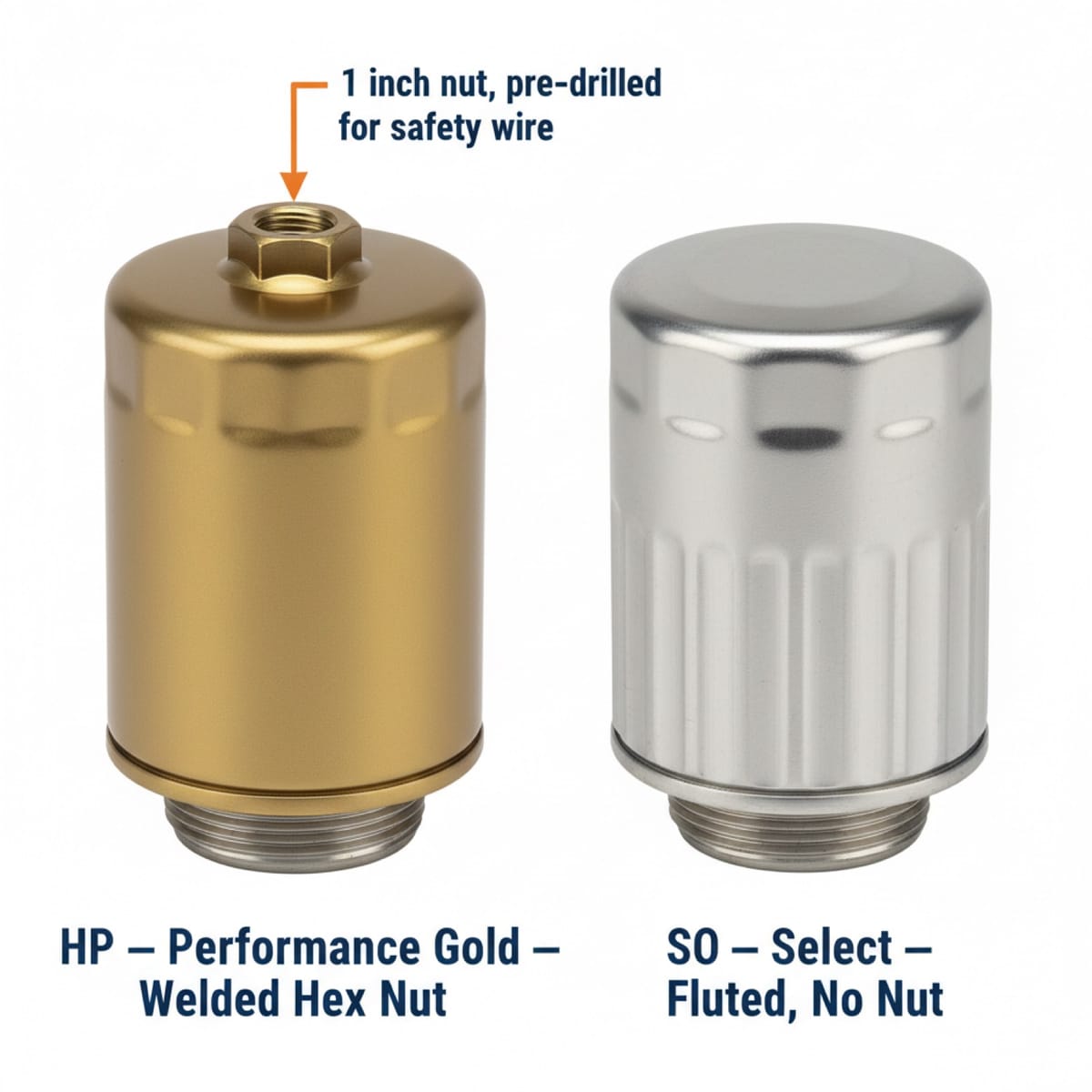


K&N oil filter part numbers follow one rule: the prefix is the product line, and the number after it is the filter. HP is the Performance Gold line with a welded one-inch hex nut. SO is the Select line with a fluted, wrench-friendly canister. An HP-1002 and an SO-1002 fit the same engines.
That single rule solves most of the confusion I see people run into when they search for a K&N cross reference. The rest of this guide covers what each prefix means, which competitor numbers K&N officially lists, and the one trap in K&N's own published cross reference data that will send you home with the wrong filter if you are not watching for it.


As an Amazon Associate we earn from qualifying purchases.
What Do K&N Oil Filter Part Numbers Mean?
K&N uses the prefix to signal the product line and the numeric suffix to identify the specific filter. Once you know the number, you can move up or down the tiers freely.

Here is what each prefix on a K&N oil filter box tells you:
- HP is the Performance Gold line. K&N describes this as the top choice for racers and high-performance motor enthusiasts, and it is the line with the welded hex nut on the dome.
- SO is the Select line. K&N states these were specially designed for professional installers and service providers with a fluted canister that comes off with a standard filter wrench.
- PS is the Performance Silver line, positioned for everyday driving as a fluted canister or cartridge.
- KN and other powersports numbers cover motorcycle, ATV and watercraft applications. Those canisters use a 17mm wrench-off nut rather than the one-inch nut on the automotive HP filters.
- Heavy-duty filters for Class 4 to 8 diesel trucks and RVs use synthetic micro-glass media and also carry a one-inch nut.
Does the number after the prefix mean the same filter?
Yes. K&N's own cross reference lookup returns both tier options for the same application, which is the clearest confirmation available.
Search the Toyota OEM number 90915-YZZD1 and K&N returns HP-1002 and SO-1002 for the same filter. Search the Ford number FL820S and K&N returns HP-2010 and SO-2010.
If you know your K&N number in one line, you already know it in the others. Swap the prefix, keep the digits.
HP vs SO: What Actually Changes Between the Two Series
The filtration story is nearly identical. The physical differences are what you feel in the driveway.
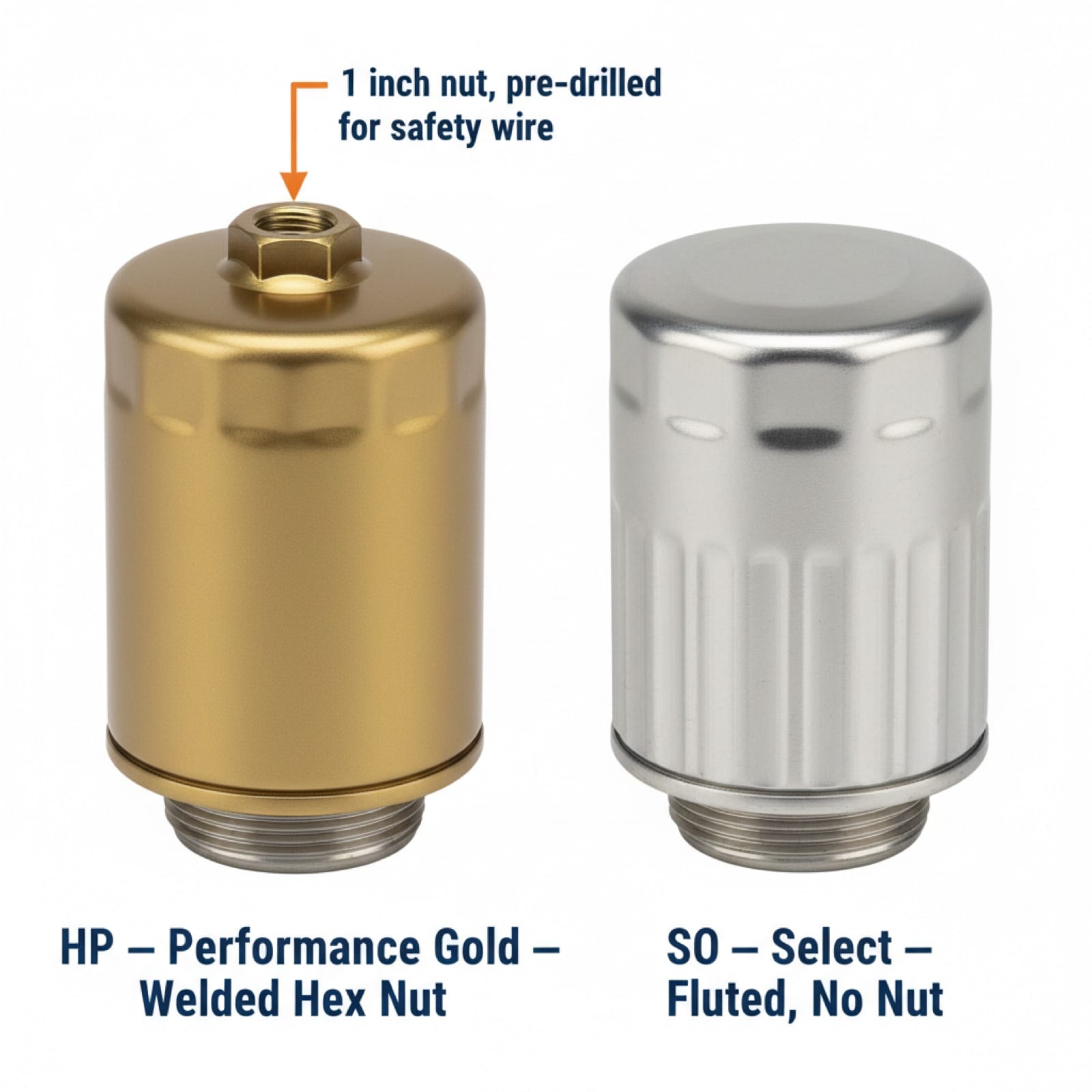
| HP (Performance Gold) | SO (Select) | |
|---|---|---|
| Removal nut | Welded one-inch hex nut, pre-drilled for safety wire | No nut, fluted canister |
| Removal method | Standard wrench or socket | Traditional oil filter wrench |
| Intended buyer | Enthusiasts, racers, DIY | Professional installers, service shops |
| Media | Pleated synthetic-blend | Pleated synthetic-blend |
| Anti-drainback valve | Yes | Yes |
The nut is the real decision point. K&N pre-drills the HP nut so a safety wire can be run through it, which matters in racing and on motorcycles where a filter backing off is catastrophic.
The SO line drops the nut and the pre-drilled hole. K&N's reasoning is that shop techs already own filter wrenches and do not need the shortcut.
One spec difference worth knowing: the two lines are not always the same physical size for a given engine family, so do not assume an SO number is a shorter or longer version of an HP filter. Confirm the number, not the shape.


As an Amazon Associate we earn from qualifying purchases.
K&N Oil Filter Cross Reference Chart
Every number below comes from K&N's own published cross reference table on the product page for that filter. I have kept this to the mainstream brands people actually search for.
| K&N | FRAM | WIX | Purolator | ACDelco / OEM |
|---|---|---|---|---|
| HP-1017 | PH10060, PH10575, XG10060 | 57060, 57073 | L12222 | ACDelco PF48, GM 89017524, Mopar 04892339AA |
| HP-1004 | PH3593A, PH6607, PH7317, PH9688 | 51334, 51568 | L14459, L24458 | ACDelco PF1127, Honda 15400-PR3-004, Subaru 15208AA031 |
| SO-1008 | PH3593A, PH6607, PH9715 | 51334, 51358, 51365, 57002 | L14460, L14612, L14622 | ACDelco PF1237, Nissan 15208-65F00, Subaru 15208AA020 |
| HP-2004 | PH16, PH43, PH7, PH8994 | 51068, 51084, 51085, 51362 | L10017, L20081 | ACDelco PF13, PF20, Motorcraft FL300 |
Two things stand out in that table.
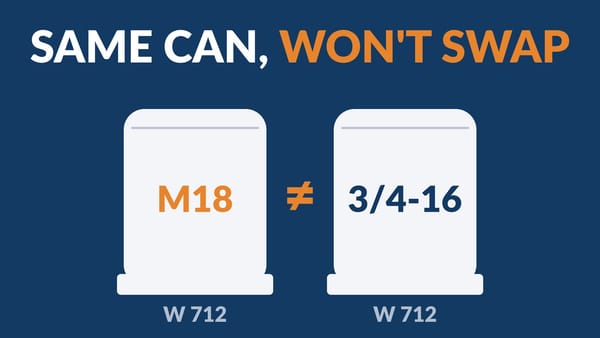
First, the same FRAM and WIX numbers appear under more than one K&N part. PH3593A and WIX 51334 sit under both the HP-1004 and the SO-1008, even though those two filters are different heights.
Second, the lists are long. K&N publishes the full interchange group rather than a one-to-one equivalent, which brings me to the trap.
The Trap in K&N's Published Cross Reference Data
K&N's cross reference lists are interchange groups, not exact equivalents. A single K&N part page can list dozens or hundreds of numbers, and some of those numbers are not the same filter as each other.
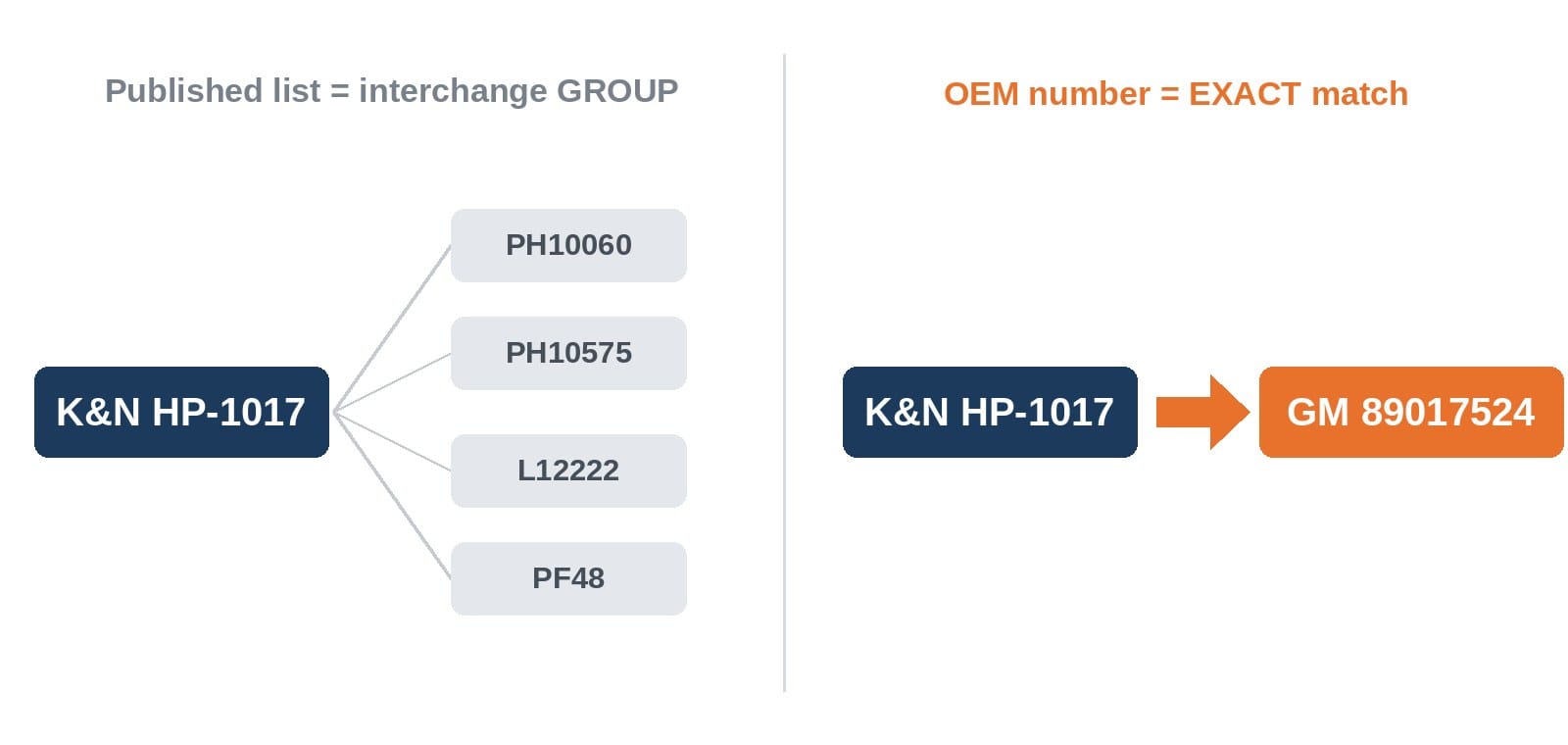
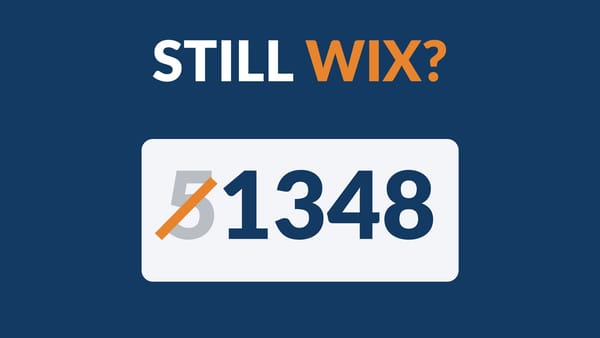
The HP-1017 is the cleanest example. Its published list includes both FRAM PH10060 and FRAM PH10575, but on the WIX side it lists only 57060 and 57073. Those FRAM numbers cover different vehicle families.
The HP-2004 page goes further, listing more than two hundred numbers spanning Kubota, Onan, Volvo Penta, Massey Ferguson and Motorcraft. That is a filter dimension group, not a fitment guarantee.
The fix is simple: anchor on your OEM number, not on a competitor's aftermarket number. If the OEM part number on your factory filter appears on the K&N page, the filter fits.
How to use the list safely:
- Find the OEM part number for your vehicle, either from the old filter or the owner's manual.
- Search that OEM number in K&N's cross reference tool rather than searching a FRAM or WIX number.
- Confirm the thread size, gasket outside diameter and height against the filter you are removing.
- If two K&N numbers come back, they are the HP and SO versions of the same filter and either one will fit.
K&N Oil Filter Specifications: What K&N Publishes and What It Does Not
K&N publishes physical specifications on every oil filter product page. Here is what the four filters above actually measure.
| K&N | Height | Outside diameter | Thread | Relief valve |
|---|---|---|---|---|
| HP-1017 | 3.75 in | 3 in | M22 x 1.5 | 11 to 17 PSI |
| HP-1004 | 3.406 in | 3.156 in | M20 x 1.5 | 11 to 17 PSI |
| SO-1008 | 2.656 in | 2.656 in | M20 x 1.5 | 11 to 17 PSI |
| HP-2004 | 4 in | 3.656 in | 3/4 in - 16 UNF | 8 to 11 PSI |
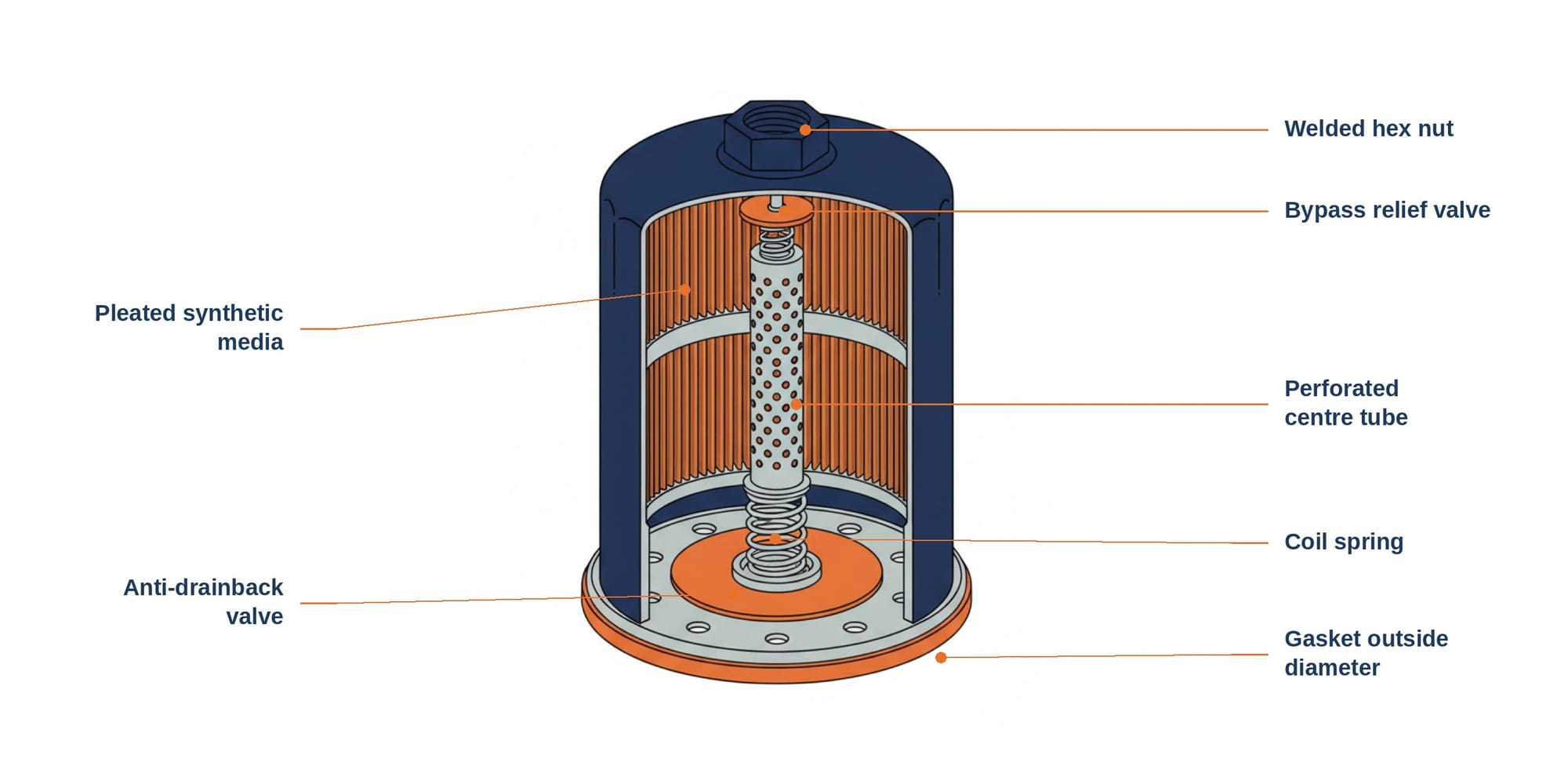
All four carry an anti-drainback valve and a bypass valve, and K&N specifies a high-temperature nitrile gasket on the HP filters.
What K&N does not publish
K&N does not publish a micron rating or a filtration efficiency percentage for its oil filters. I went through the product pages, the oil filter category page and K&N's own oil filter explainer, and none of them state a number.
What K&N does state is the media type, pleated synthetic-blend filtration media, and a design claim that each filter is lab tested for efficiency, capacity and burst strength.
You will find efficiency figures for K&N filters quoted on forums, and they contradict each other badly. I found claims ranging from 85% at 20 microns to 98% at 30 microns in different threads, none traceable to a K&N document. Treat all of them as hearsay until K&N publishes a spec sheet.
How long can you run a K&N oil filter?
K&N does not publish a mileage rating on its product pages either. The company's guidance is to follow your manufacturer's recommendations for oil and oil filter replacement, and it notes that most drivers now change oil and filter every 7,500 to 10,000 miles or more.
Some K&N retail listings carry a 20,000 mile claim. That figure does not appear anywhere in K&N's technical product data, so I would not build a drain interval around it.


As an Amazon Associate we earn from qualifying purchases.
Finding the Right K&N Oil Filter for Your Vehicle
K&N runs a cross reference tool at knfilters.com/cross-reference organised by brand. The URLs are predictable, which makes them fast to use.
The pattern is `knfilters.com/cross-reference/[brand]/[part-number]-oil-filter`. Searching the Motorcraft FL820S that way returns the HP-2010 and SO-2010 directly, with no menu clicking.
Start with the OEM number whenever you can. Toyota, Honda, Ford and GM part numbers are unique to a specific filter, while aftermarket numbers get grouped and merged across the industry.
If you only have the old filter in your hand and no number, measure the gasket outside diameter, the overall height and the thread pitch. K&N also runs a dimension search that takes those three values.
FAQ
What is the difference between K&N HP and SO oil filters?
The HP Performance Gold filter has a welded one-inch hex nut on the end, pre-drilled for a safety wire. The SO Select filter has a fluted canister and no nut, and K&N positions it for professional installers. Both use pleated synthetic-blend media and both carry anti-drainback and bypass valves.
Is a K&N HP-1002 the same as an SO-1002?
They cover the same application. K&N's cross reference for the Toyota 90915-YZZD1 returns HP-1002 and SO-1002 as the two options for that filter, differing in the removal nut and canister shape rather than in fitment.
What K&N oil filter replaces a Motorcraft FL820S?
K&N lists the HP-2010 and the SO-2010 as the cross references for the Motorcraft FL820S. Some third-party charts list the HP-3001 for this filter, which does not match K&N's own published data, so use the K&N lookup rather than a reseller chart.
What is the micron rating of a K&N oil filter?
K&N does not publish one. The product pages list media type, dimensions, thread size and relief valve pressure, but no micron rating or efficiency percentage. Any specific figure you see quoted for a K&N oil filter comes from a third party, not from K&N.
Can I use a FRAM or WIX number to find my K&N filter?
You can, but it is the less reliable route. K&N's cross reference lists are interchange groups, so a single K&N part page can show several FRAM numbers that are not equivalent to each other. Searching your OEM part number instead removes the ambiguity.
Before You Buy
Pull the old filter, read the OEM number off it or out of the manual, and run that number through K&N's cross reference. If you get two results back, you are looking at the HP and SO versions of the same filter, and the only real question is whether you want the wrench nut.
Then check the three physical numbers against the filter in your hand: thread, gasket diameter, height. Five seconds of measuring beats an oil leak in the driveway.